Role of Private Sector Participation
Investment, technology, and commercial enterprises
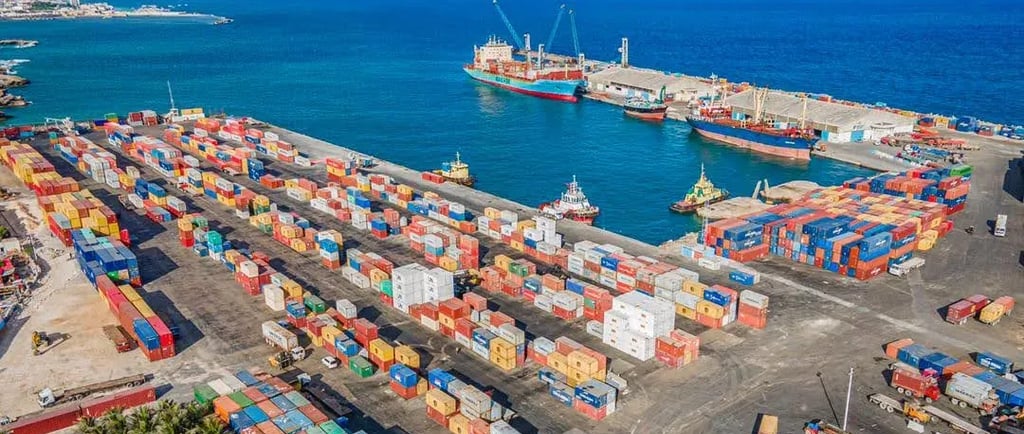
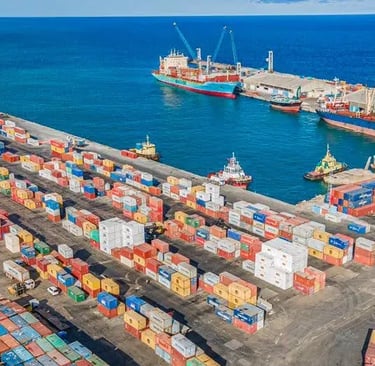
Private Sector Participation in Advancing Somali's Blue Economy
The private sector plays a critical role in transforming Somalia's fisheries and blue economy from a largely subsistence-based sector into a modern, competitive, and profitable industry. While government and development partners can provide policy direction, regulatory oversight, and foundational infrastructure, the private sector brings the investment capital, business expertise, innovation, technology, and market access needed to drive long-term growth.
The primary role of the private sector is to invest in and operate commercial enterprises across the fisheries value chain. This includes fishing operations, seafood processing, cold storage facilities, logistics services, fishery ports, aquaculture ventures, export businesses, and supporting marine industries. Through these investments, private companies create jobs, generate income, stimulate local economies, and increase export revenues.
The private sector also plays a key role in introducing modern technology, improving productivity, enhancing product quality, and connecting Somali fisheries products to domestic, regional, and international markets. By developing efficient supply chains and value-added industries, businesses can increase the economic value generated from Somalia's marine resources.
In the context of fisheries infrastructure, the private sector can participate through Public-Private Partnerships (PPPs), operating and maintaining fishery ports, landing sites, cold storage facilities, ice plants, processing centers, and logistics hubs. This helps ensure that infrastructure investments remain financially sustainable and responsive to market demand.
Beyond investment, the private sector serves as a catalyst for entrepreneurship and innovation. Businesses can provide training, create market opportunities for small-scale fishers, support local suppliers, and strengthen fisheries value chains. In doing so, they help integrate coastal communities into the formal economy and expand economic opportunities in rural areas.
Ultimately, the role of the private sector is to transform opportunity into enterprise. By mobilizing capital, creating businesses, generating employment, and expanding markets, private sector participation is essential for unlocking the full potential of Somalia's blue economy and converting marine resources into sustainable economic growth and long-term prosperity.
About the Author
Mr. Siad-Omar is the Founder and Managing Director of Blue Ocean Group, a company dedicated to advancing Somalia's blue economy through sustainable business development, investment promotion, and marine enterprise growth. He brings more than 20 years of professional experience as a development practitioner specializing in natural resource management, infrastructure development, economic development, and community resilience.
Throughout his career, Mr. Siad-Omar has worked on a wide range of initiatives involving fisheries, water resources, land management, environmental sustainability, rural development, and infrastructure planning. He is passionate about unlocking the economic potential of Somalia's marine and coastal resources while creating opportunities for investment, job creation, and sustainable livelihoods.
Drawing on extensive experience working with governments, communities, private sector organizations, and development partners, Mr. Siad-Omar advocates for practical, investment-driven approaches that connect economic growth with social impact. Through Blue Ocean Group, he is committed to promoting innovative solutions that transform Somalia's blue economy into a driver of prosperity, resilience, and long-term national development.
Somalia Blue Ocean Group
23 Airport Road
Mogadishu, Somalia
Https://blueoceangroup.solutions
info@blueoceangroup.solutions